

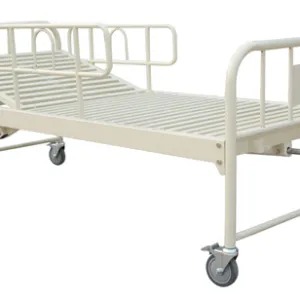
Choosing a hospital bed vendor takes more research than most facilities budget time for during procurement, since these units run continuously for years under heavy daily use. Prices vary considerably between suppliers, frame quality differs more than glossy brochures suggest, and some manufacturers cut corners on components that only reveal problems months after installation begins across a ward. Whether you’re outfitting a surgical unit or a general care ward, understanding what separates a genuine Hospital Bed Manufacturer in Chile from a mediocre supplier saves both budget and future frustration. This guide covers the factors worth checking.
Weld Quality and Frame Integrity
Bed frames depend entirely on weld integrity, and poor welding shows up as cracks or flex points within a year or two of consistent daily use across shifts. Ask manufacturers for weld inspection certificates, not just verbal assurances about build quality sounding reassuring on a sales call. Visible seams should look clean and consistent, without pitting or discoloration suggesting rushed manufacturing work somewhere in production. A frame that flexes under normal patient movement isn’t cosmetic; it’s a real concern.
Motor Cycle Ratings for Wards
Electric adjustment motors handle constant use, raising and lowering bed sections dozens of times daily across busy hospital wards without much rest between cycles. Cheap motors burn out within a year or two, leaving staff stuck relying on manual overrides that slow patient care considerably during already hectic shifts. A trustworthy Medical Aluminium Wheelchair Supplier in Chile faces similar mechanical durability questions across their product lines, and that same standard applies to bed motors too; ask about cycle ratings specifically.
Corrosion Resistance in Clinical Use
Hospital environments involve constant exposure to disinfectants, moisture, and harsh cleaning chemicals applied multiple times daily without exception across every shift and department. Lower-grade steel corrodes faster under this kind of repeated chemical exposure, developing rust spots that compromise both hygiene and appearance within months. Ask suppliers directly about coating grade and corrosion testing data, since this detail matters considerably more in clinical settings than typical furniture applications would suggest. Also check whether exposed joints, welds, and fasteners receive additional protection against corrosion during prolonged clinical use.
Weight Capacity and Dynamic Testing
Listed weight capacity often reflects static conditions only, which doesn’t account for dynamic movement during transfers or repositioning throughout a patient’s hospital stay. Ask for both static and dynamic capacity figures separately, since these numbers frequently differ in ways that matter for safety planning across diverse patient populations regularly. Facilities serving varied demographics should lean toward higher capacity models regardless of typical patient size, purely as a sensible safety buffer worth having available. Also confirm how weight is distributed across the frame during movement, and whether accessories or attached equipment affect the manufacturer’s stated capacity limits under normal clinical conditions.
Comparing Total Ownership Costs
Lowest quoted price rarely reflects genuine long-term value once maintenance costs and replacement parts enter the picture across several years of continuous operation across wards. Request itemized quotes breaking down base cost, spare parts availability, and warranty terms clearly in writing before deciding anything with any vendor. Compare at least three vendors side by side, since pricing structures vary more than most buyers initially expect walking into these negotiations regularly. Factor total ownership cost across five years minimum.
Delivery Timelines and Installation Support
Lead times swing considerably between manufacturers, sometimes differing by several weeks for essentially comparable bed specifications and features offered across different vendors. Confirm realistic delivery estimates upfront rather than accepting optimistic numbers salespeople quote purely to close a sale quickly during any negotiation. Ask whether installation and initial calibration are included, since these beds involve electrical components untrained staff genuinely shouldn’t handle alone without guidance provided beforehand consistently.
Conclusion
Selecting a hospital bed manufacturer involves weighing considerably more factors than most facilities expect when they first begin comparing available options across the market. From weld integrity to motor reliability to realistic delivery timelines, each element shapes whether the investment holds up reliably across years of continuous clinical use, not just the initial installation period alone. Taking time to verify certifications, request real specifications, and compare total ownership costs pays off substantially down the road for busy facilities managing daily operations.